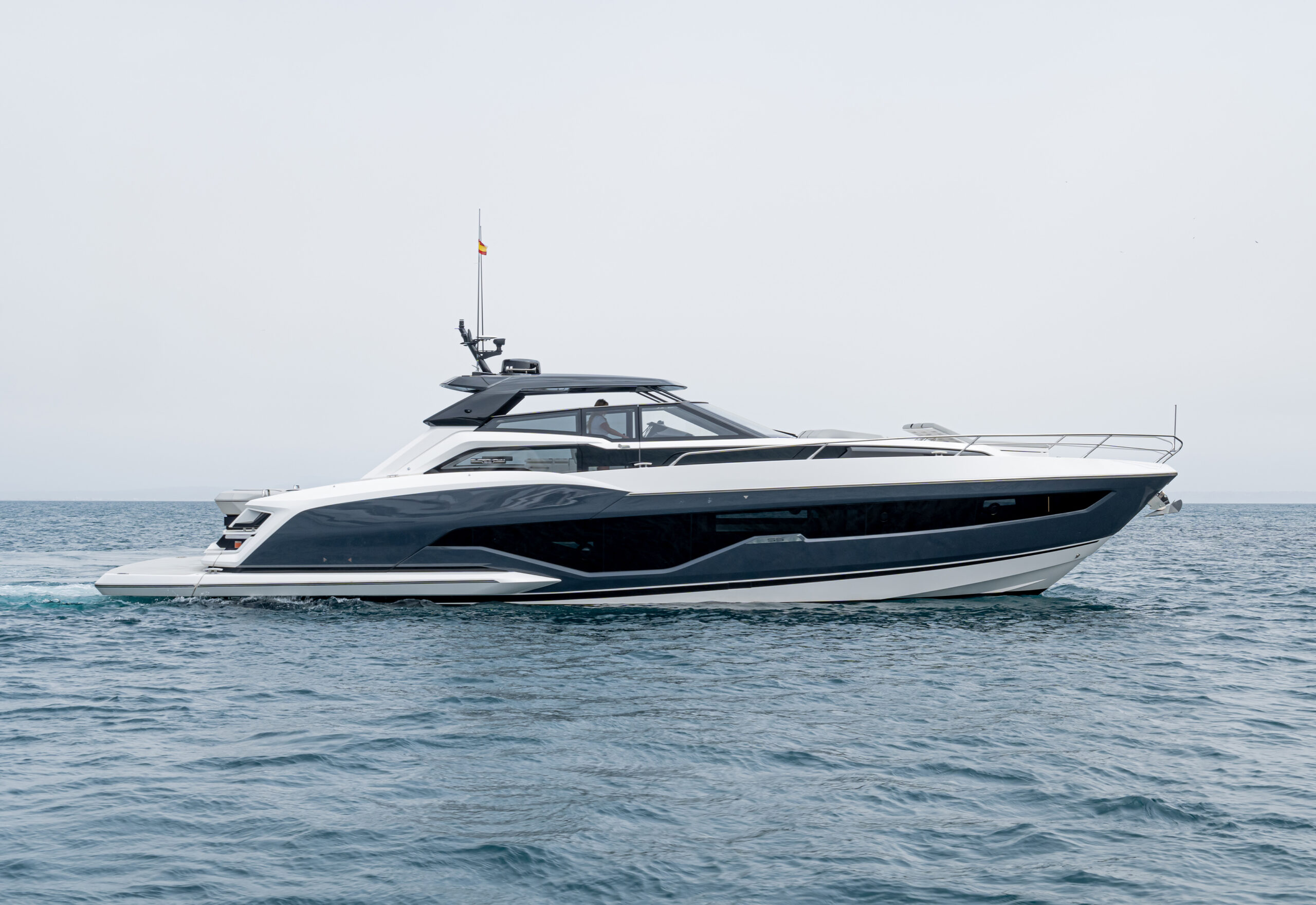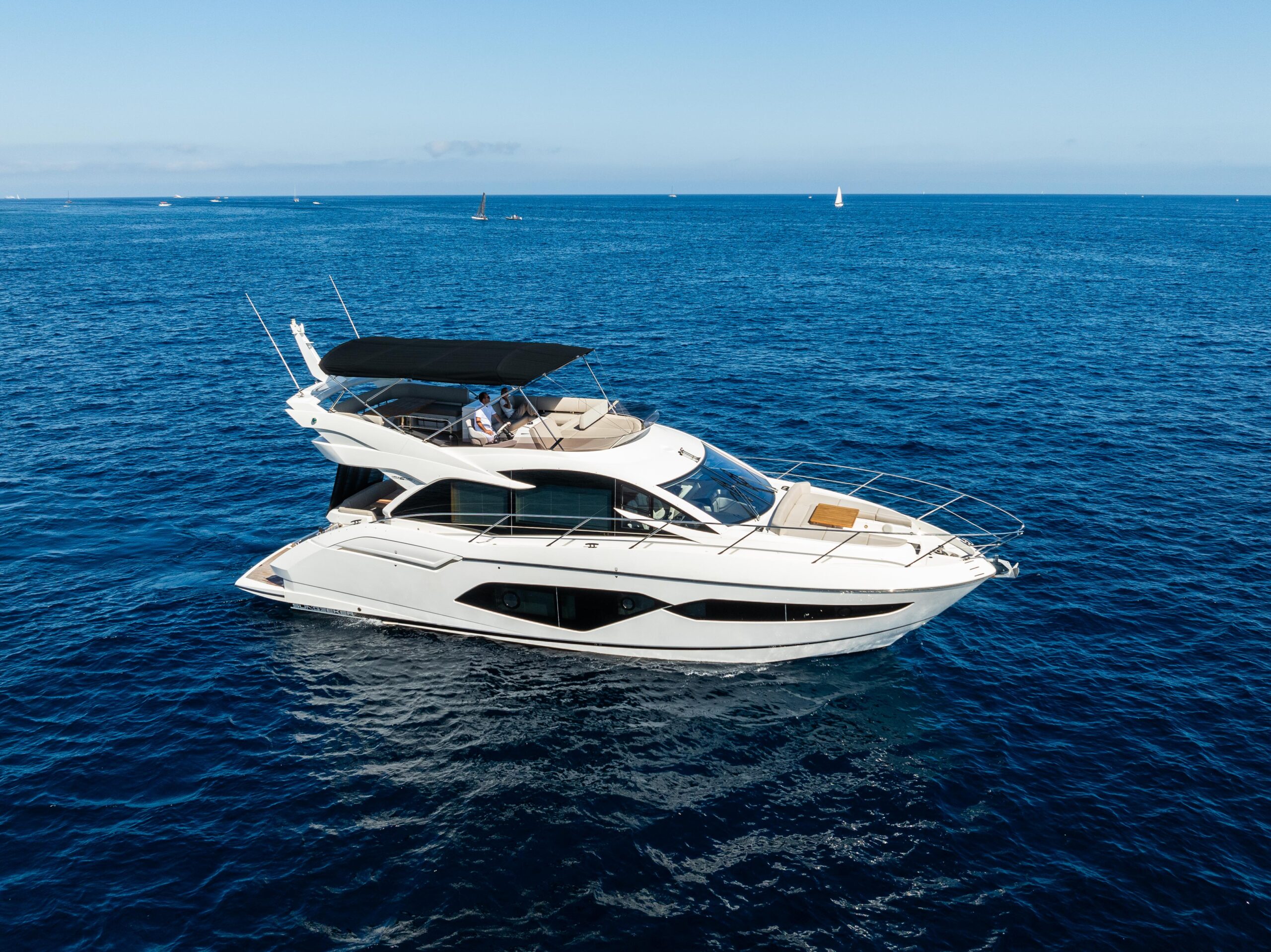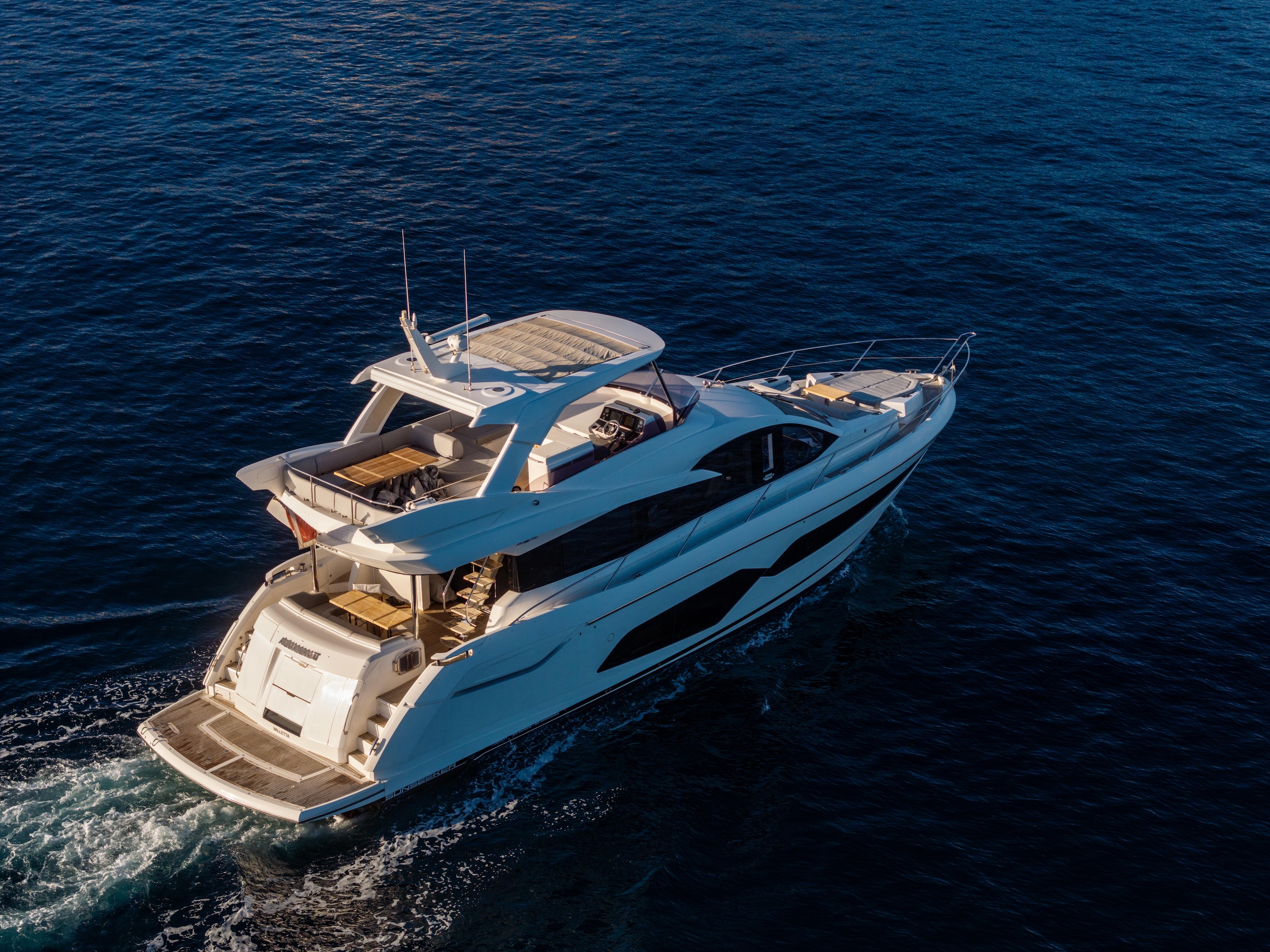
Compact coastline, English everywhere, easy flights and a working shoulder season. Ten reasons Malta is the Mediterranean charter base more guests are picking in 2026.
Malta has spent the last few seasons quietly moving up the list of Mediterranean charter destinations. Where guests once treated it as a stopover between Sicily and the Balearics, they now arrive for it specifically, with bookings stretching from May into late October and a steady mix of European and long haul travellers. The shift is partly about congestion in older charter capitals and partly about Malta finally being recognised for what it is, a compact island country with three coastlines, a working harbour culture and a fleet that has grown up fast.
We charter every week of the season from Sliema and Valletta, so we see this trend in real numbers. Repeat bookings are up, average trip length is up, and the questions guests ask now are different from the ones they asked five years ago. Instead of comparing Malta to Mallorca on price, they compare it to Sardinia and Croatia on quality of coastline, ease of access and quiet anchorages. This is a country that has stopped being an alternative and started being a first choice. Here are ten reasons why a luxury yacht charter Malta trip is now one of the most rewarding ways to spend a week in the Mediterranean.
- How does Malta compare to Ibiza or Sardinia for a yacht week?
- Malta is more compact and easier to navigate in a single charter day, with shorter transit legs between anchorages. Ibiza leans into nightlife, Sardinia into long coastal cruising. Malta sits in between, with calmer logistics and more cultural depth.
- Is Malta easy for English speakers?
- Yes. English is one of two official languages, used in booking, port paperwork, briefings and ground crew communication. It is one of the easiest Mediterranean countries for first time charter guests.
- When does the Maltese yacht charter season run?
- The active season runs from late April through October, with peak weather in June, July, September and the first half of October. May and late October offer warm seas with much lighter traffic.
1. A compact coastline that fits three islands into a single charter day
Malta, Gozo and Comino sit close enough together that a single day on the water can take in all three without rushing. From Sliema or Marsamxett the run to Comino's Blue Lagoon is comfortable in under an hour, and from there Gozo's southern bays are another short hop. Few Mediterranean destinations let guests sample three distinct islands in one trip without burning a full day on transit.
This compactness changes how the day feels. Instead of choosing between anchorages, captains can string several together. A morning swim off Comino, a long lunch in a quiet Gozo cove, an afternoon stop along the Maltese north coast and a return into Grand Harbour at golden hour is a routine itinerary, not an ambitious one.
For guests who have spent weeks transiting between Corsican or Sardinian ports, the change of pace is often the first thing they mention. The destinations come to you rather than the other way round, which leaves more of the day for swimming, eating and being on deck.
2. English everywhere, from booking to ground crew
Malta is one of two English speaking countries in the European Union. Charter contracts, captain briefings, port notices and harbour radio all run in English as standard, alongside Maltese. For first time charter guests, especially those used to deciphering Italian or Spanish paperwork, the difference is immediate.
It is not just the language of the documents. Restaurant staff, taxi drivers, marina office teams and the people running the small fuel barges all switch to English without effort. Special requests, dietary notes and itinerary changes all land cleanly the first time, which is the kind of small operational comfort that adds up over a week.
Guests planning multi country itineraries also use Malta as a soft landing. Picking up a yacht here, getting comfortable with the crew and the routine, and then moving on to Sicily or Sardinia later in the trip is a common pattern. The English speaking start removes the friction that often defines the first day of a Mediterranean charter.
Most of our guests choose Malta over the Balearics now because the logistics simply work the first time. They land in the morning, board in the afternoon and we are at anchor by dinner with no translation problems on the way.
3. Direct flights from most of Europe, and good connections beyond
Malta International Airport runs direct routes to more than seventy European cities, including all the obvious capitals and a long list of regional airports. From London, Paris, Frankfurt, Milan, Madrid and Amsterdam the flight is short enough that guests can leave home in the morning and be on a sun deck by mid afternoon. Connections from the Gulf, North Africa and the United States via European hubs are also straightforward.
The airport itself is small and efficient, which matters more than guests usually realise. From wheels down to the marina at Sliema is typically under thirty minutes by car, with no internal connections and no domestic transfer. For weekend or short trip charters, the time saved at the airport is often a full extra swim window.
Compared to destinations that require an island hop after a long haul flight, Malta arrives in one motion. That single fact is one of the most common reasons our guests cite for picking the country over more remote Mediterranean alternatives.
4. Lower congestion than the Riviera or Balearic peak weeks
Anyone who has tried to anchor off Saint Tropez in mid August or queue for a Formentera mooring in early August knows what congestion looks like in modern Mediterranean charter capitals. Malta is not empty in peak season, but the pressure on anchorages, marinas and beach clubs is consistently lower. Captains rarely have to compete for swing room, and the Blue Lagoon, even on its busiest days, has predictable rhythms rather than chaos.
Part of this is geography. Malta has more than a hundred and forty kilometres of coastline across three islands, and the spread of bays absorbs the fleet better than a single long beach run. Part of it is the local culture, which still treats anchoring as a normal everyday activity rather than a status performance.
The result is that a Maltese charter week feels less crowded even when it is technically peak. Guests notice it in the photos. Empty horizons, quieter sundecks and fewer wakes crossing the lunch swim. The contrast with the busier French and Spanish ports is one of the things that turns a first time visit into a repeat booking.
First time guests are almost always surprised by how much space there is. They expect Mediterranean peak season pressure and they find a coast that still has room to breathe, even in August.
5. UNESCO Valletta sits directly on the water
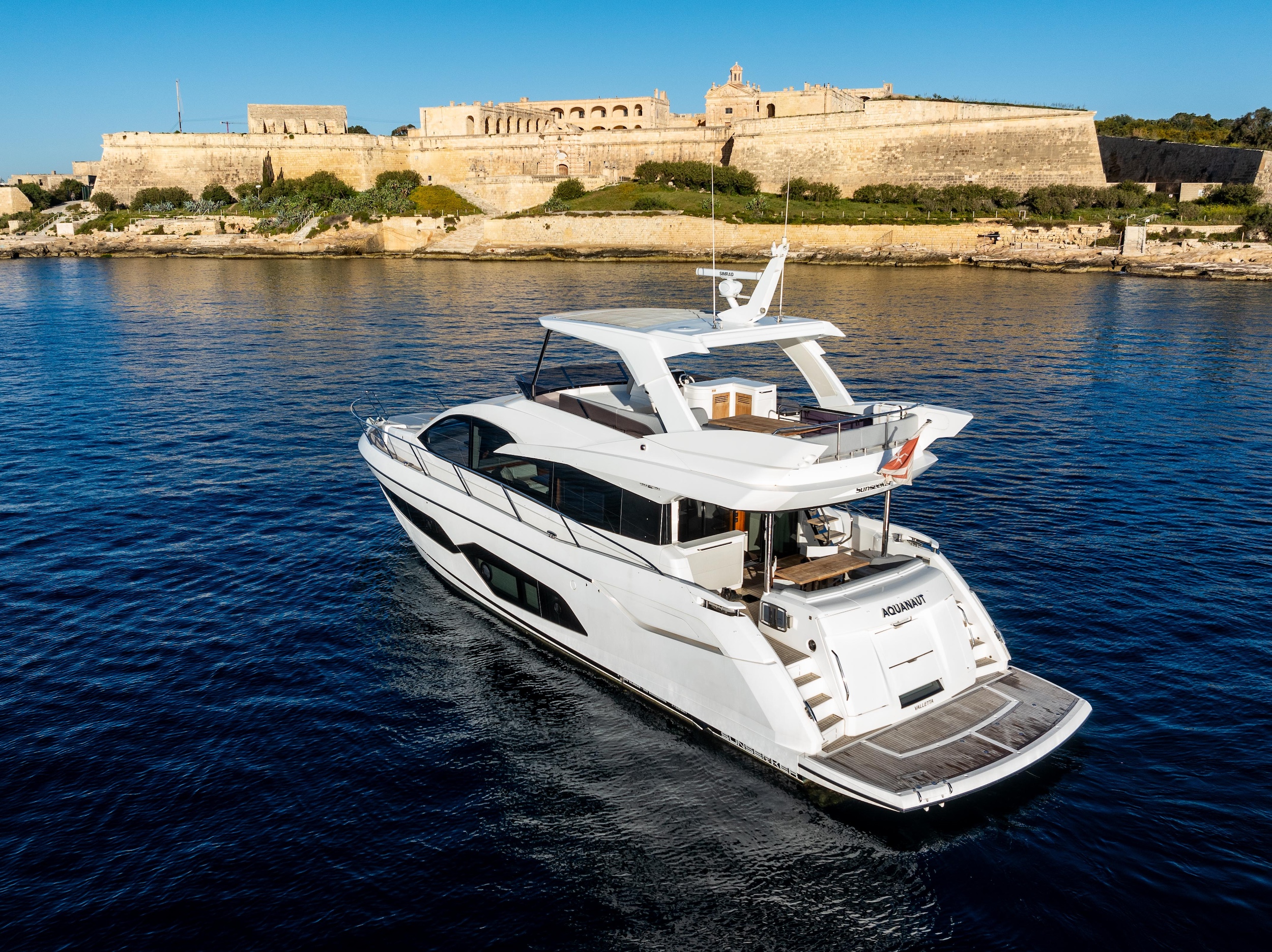
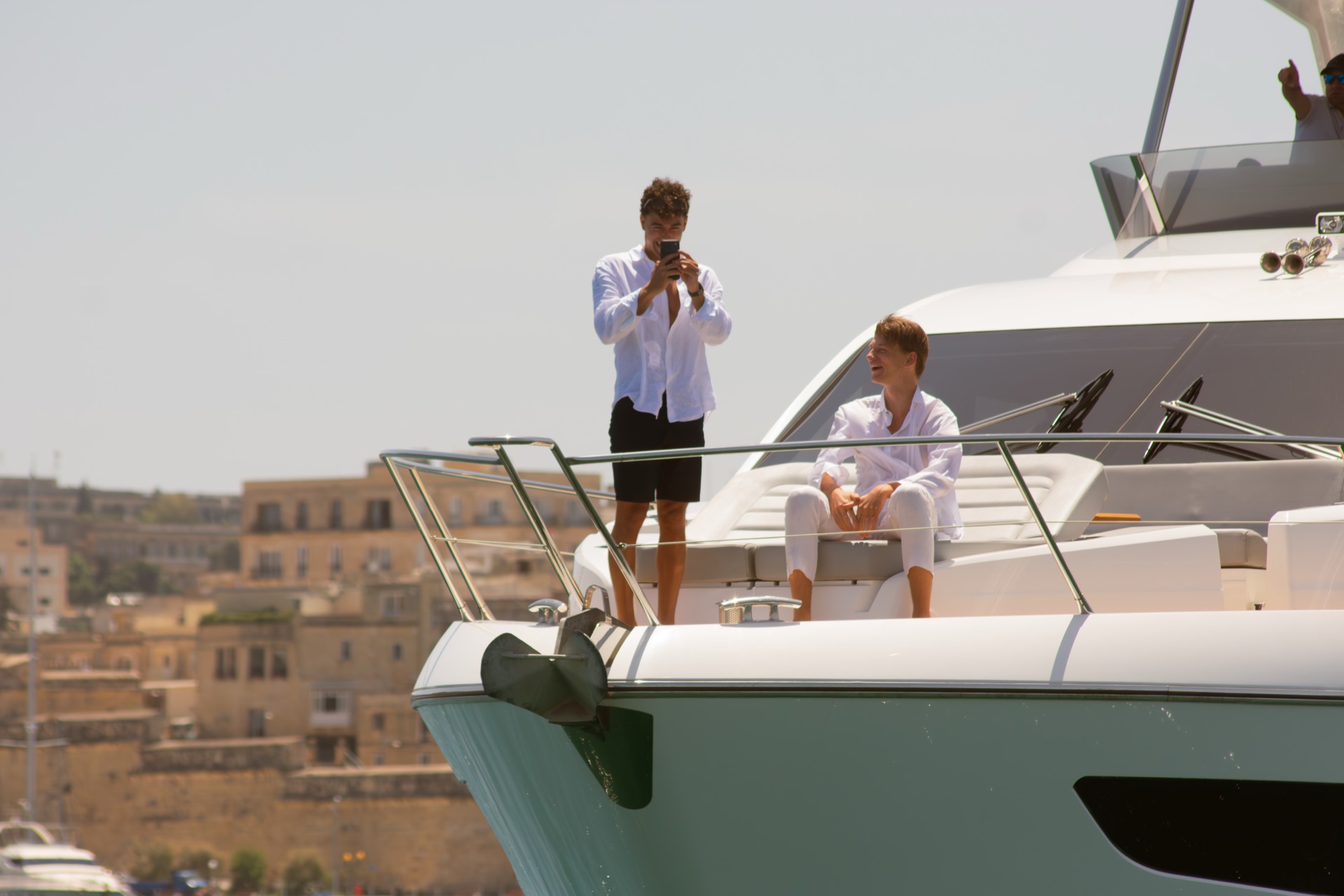
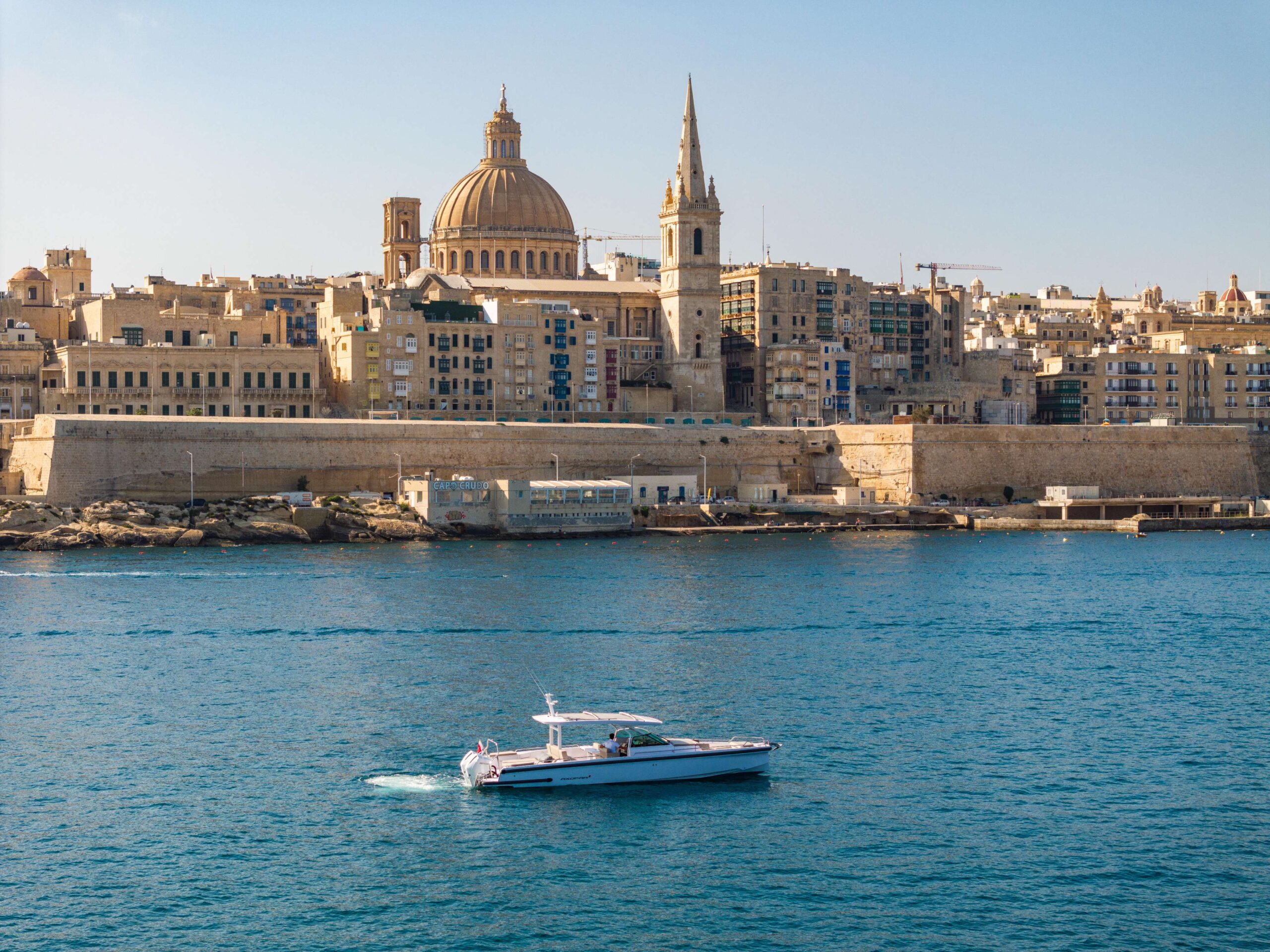
Few Mediterranean destinations let guests cruise into a UNESCO World Heritage capital under sail. Valletta does. The honey coloured bastions of the city drop straight into Grand Harbour, and yachts approaching from the east pass under fortifications that have stood since the sixteenth century. It is one of the most cinematic harbour entries in the Mediterranean and it is the start of most charter weeks.
Once tied up in Marsamxett or Grand Harbour, guests are a five minute walk from the heart of the old city. Cathedrals, museums, gardens and a dense network of restaurants are all within the bastions, which means cultural days do not require long road transfers. A morning swim and an afternoon walking Valletta's limestone streets is a normal day, not a logistics exercise.
Sliema and St Julian's, just across the harbour, add a second urban node with modern marinas, beach clubs and a more contemporary dining scene. Guests can switch between historic Valletta and the lively waterfront of St Julian's in the time it takes a tender to cross the bay.
6. Comino's Blue Lagoon is genuinely world class
The Blue Lagoon between Comino and Cominotto needs almost no introduction. The water there is the colour photographers chase across the Mediterranean, a clean turquoise over a sand bottom that picks up light from below. The lagoon has had its share of overcrowding stories, but from a yacht the experience is fundamentally different. You can anchor early, swim before the day boats arrive and reposition to nearby Crystal Lagoon or Santa Marija Bay when the lunchtime traffic peaks.
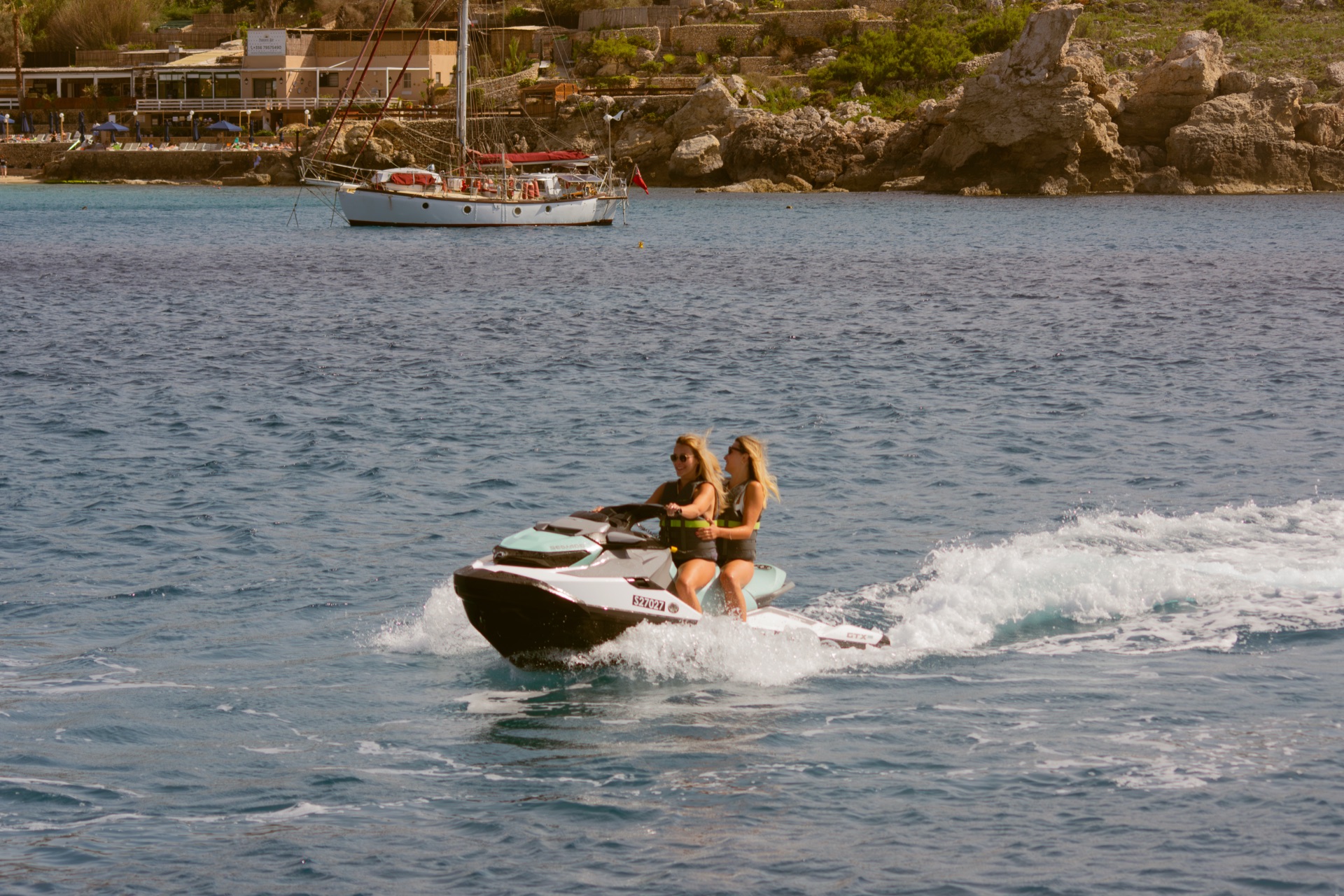
Comino's smaller scale also rewards exploration. The caves on the south west of the island, Saint Mary's Tower above the channel and the snorkelling along the limestone shelves are all easier to reach by tender than from any land based excursion. For families this is often the highlight of the week.
Guests who have swum off Sardinia's La Maddalena or Croatia's Pakleni Islands often rate the Blue Lagoon as the equal of either. The difference is access. In Malta the lagoon sits inside a one hour cruising radius from your home marina, not a multi day passage. Our places to visit Malta by yacht journal piece covers a longer list of these anchorages in detail.
7. Sicily, Sardinia and the Amalfi coast all sit within charter range
Malta is closer to Sicily than most guests expect. The southern Sicilian coast, including Pozzallo and the Ragusa baroque towns, is a comfortable overnight passage and a regular extension on weekly charters. From there, Syracuse, the Aeolian Islands and the Amalfi coast all open up for guests with two weeks to spend. Sardinia is a longer commitment but still within reach for those planning extended cruises.
This matters because Malta does not have to be a self contained week. It can be a base. Guests who want to combine Maltese anchorages with Sicilian dinners or Aeolian volcano stops can build that itinerary without changing yachts. The paperwork between Malta, Italy and Schengen is well understood by local crews and rarely creates friction.
Even within a single week, a one way leg to Sicily and back is achievable with the right boat and weather window. The flexibility that Malta gives charter planners is one of the quiet reasons brokers have started recommending it more aggressively in 2026.
8. The Maltese euro means no currency friction
Malta is in the eurozone and has been since 2008. There is no exchange step on arrival, no change of card processing, no separate budget for a non euro stop. For guests already travelling on euros, the entire trip stays in one currency. For those arriving from outside the eurozone, the euro is so familiar that the friction is negligible.
This may sound like a minor administrative detail, but it shows up in the small choices guests make on board. Splitting a beach club lunch, adding a private chef night, paying a marina extension or topping up fuel are all done in one currency, often by card, with the same systems guests use in the rest of Europe. There are no surprises on the closing invoice.
It also makes Malta an easy comparison point. When clients weigh the cost of a Maltese week against a Croatian or Turkish one, they are comparing in the same units. The transparency tends to favour Malta, especially when the itinerary includes Sicily or Italian extensions.
9. A modern fleet with current papers and proper crew
The Maltese flag is one of the most respected in commercial yacht registration globally, and that culture has filtered down into the charter fleet. Boats operating out of Sliema and Valletta tend to be well maintained, properly insured and crewed by certified captains and stewards. Annual surveys, safety equipment and licensing are taken seriously in a way that is sometimes inconsistent in less regulated charter regions.
For guests, that translates into briefings that actually cover safety, tenders that work, water toys that are inspected and refreshments that are stored and served properly. The boats themselves are increasingly modern, with the local fleet refreshing through the post 2020 cycle and now including a high proportion of recent build motor yachts and sailing yachts.
Our own fleet sits within this culture. We hand pick boats for the season, refuse those that are not up to standard and brief crews on a single service standard across every charter. The full set of water toys we carry is part of the same approach, which is to deliver a charter that works on the day rather than a charter that looks good in a brochure.
The season has shifted. We are now booking strong weeks in May and the second half of October, which used to be quiet. Guests have figured out that the shoulder weeks in Malta are warmer than peak summer in northern Europe and far less crowded.
10. A working shoulder season from May to October
Malta's latitude and weather give it one of the longest practical charter seasons in the Mediterranean. Sea temperatures in May are already comfortable for swimming, and they hold through October in most years. June and September are now the most balanced months on the calendar, with high twenties on land, calm seas and minimal congestion.
This shoulder season is increasingly where the smart bookings sit. Guests who want the swim window without the August prices are arriving in late May or returning in early October. The fleet is more available, the marinas are calmer, and the restaurants in Valletta, Sliema and Mdina take reservations without the usual peak season negotiation.
It also makes Malta a destination that does not depend on a single peak month. Multi generational family trips, corporate groups and small wedding parties can all find a working week somewhere in the May to October span. That flexibility is why our calendar now fills earlier each year, with shoulder weeks often booked before peak ones.
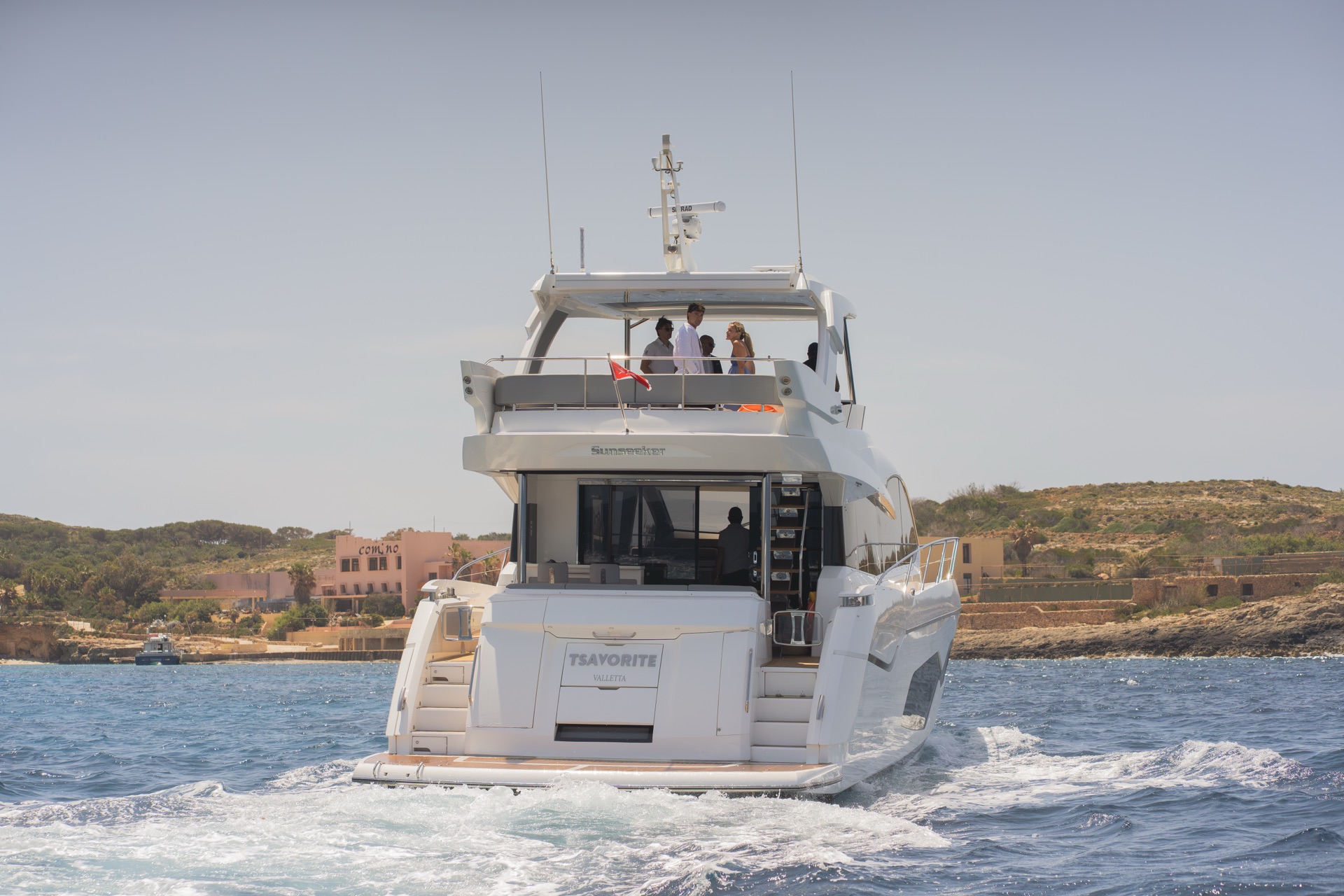
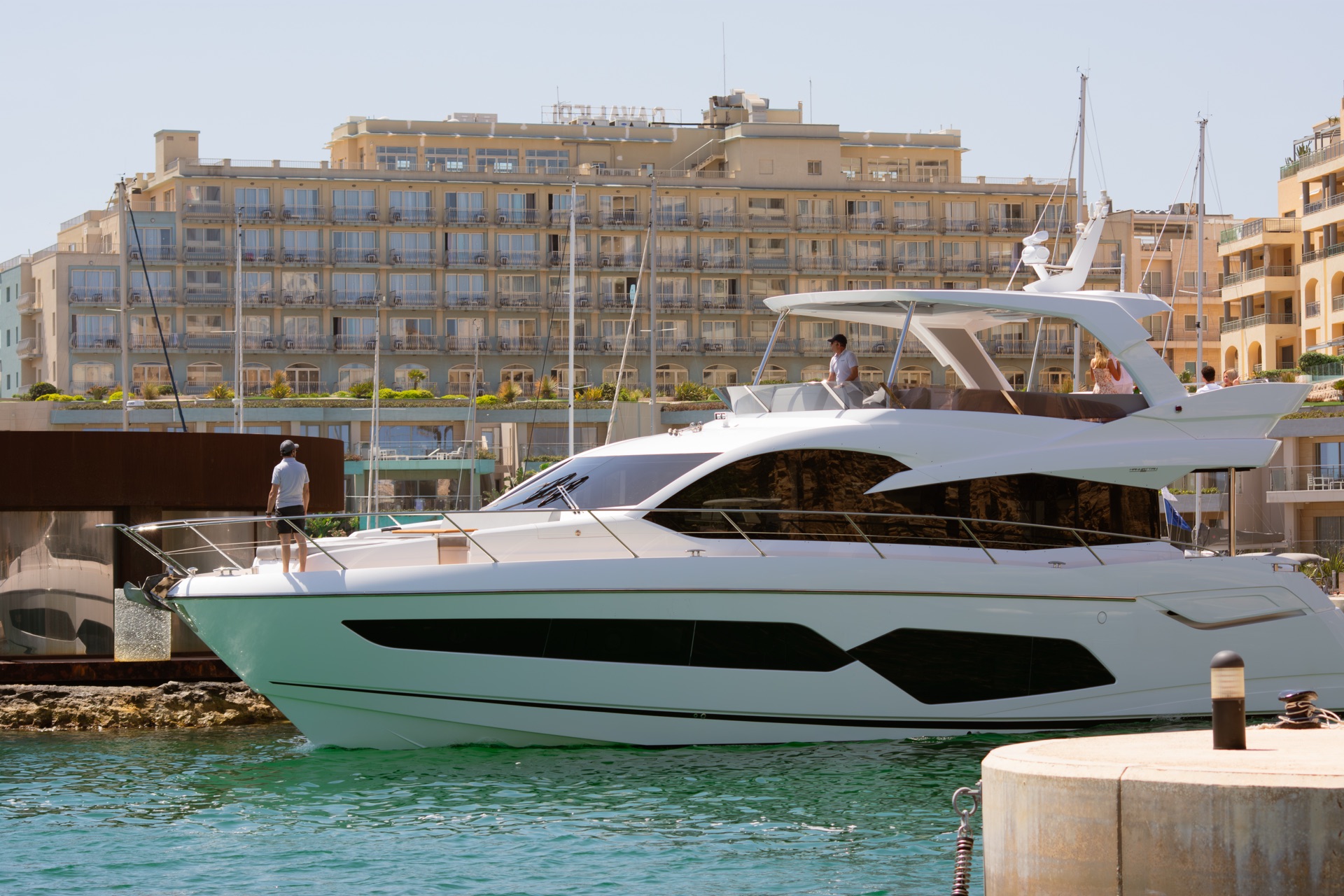
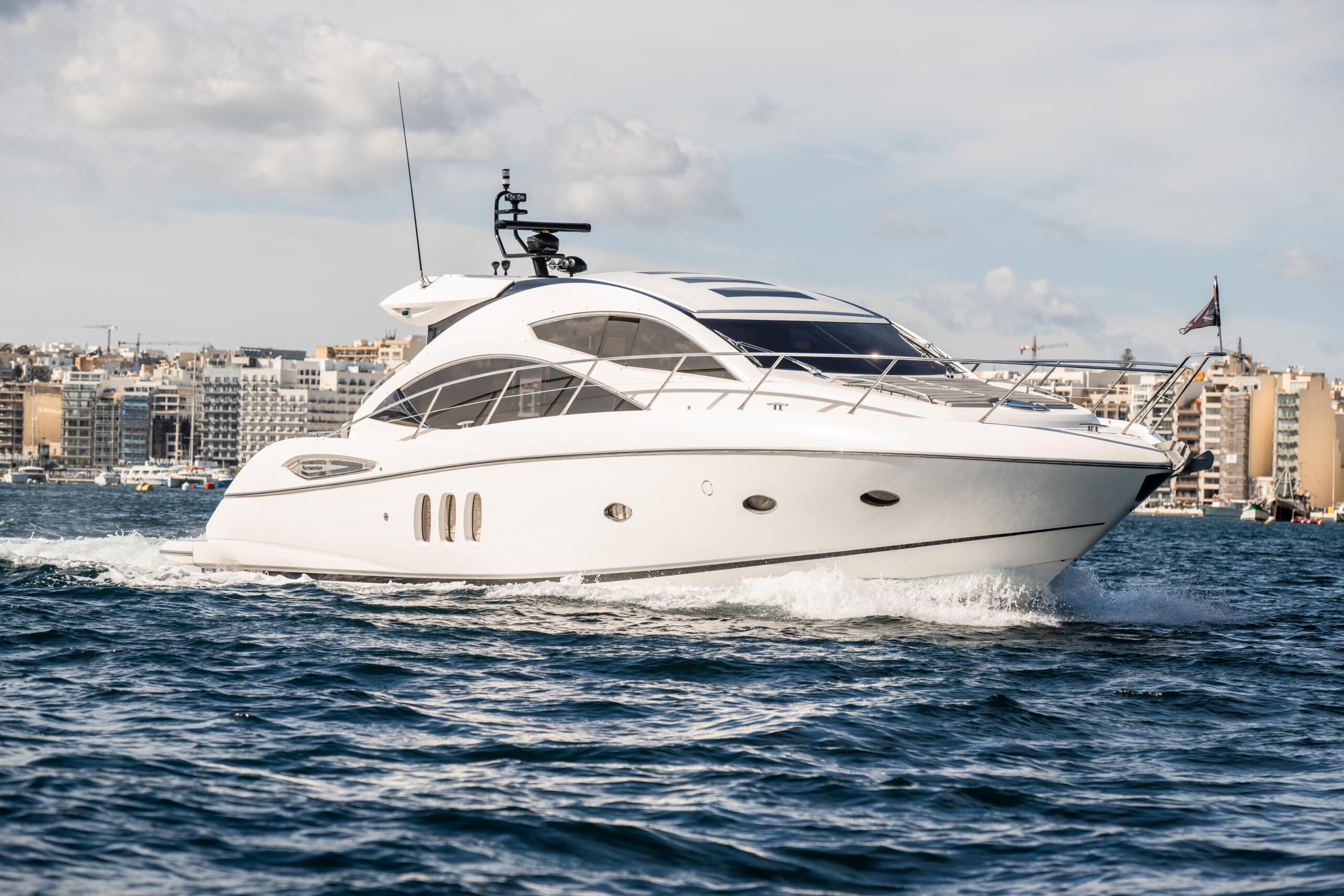
Why Malta works as a Mediterranean base
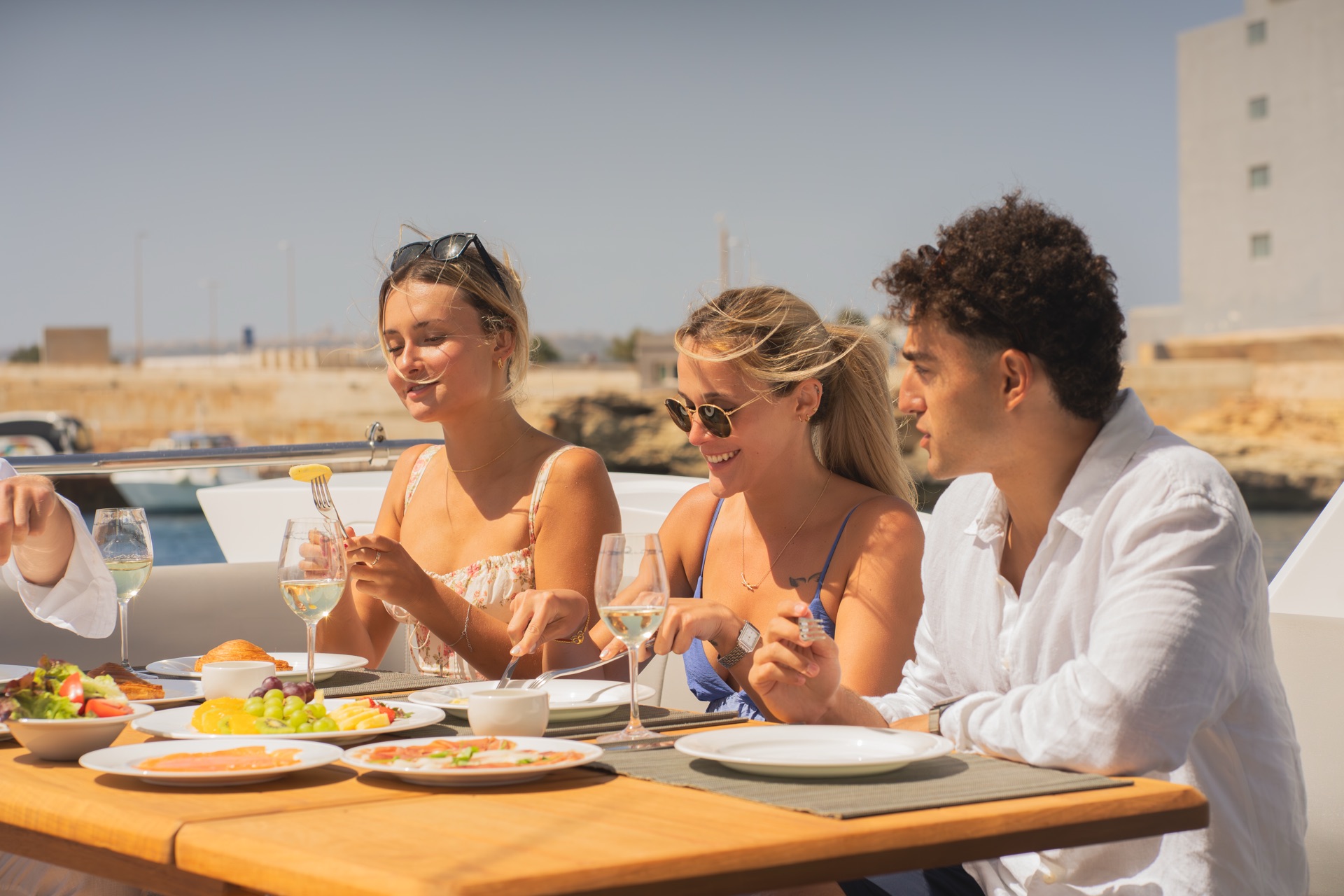
- Three islands, one charter zone, with Malta, Gozo and Comino all reachable in a single day.
- English speaking ground crew, port authorities and marina staff, which removes the usual translation friction.
- Direct flights to more than seventy European cities, with under thirty minutes from runway to marina.
- A long shoulder season that runs from May through October, with warm seas and lighter traffic outside August.
- A short passage to Sicily and longer routes to Sardinia and the Amalfi coast, useful for guests planning multi country weeks.
Most charter trends are slow. People rebook destinations they trust, and word of mouth moves quietly between friends and family. What is happening with Malta in 2026 is not a marketing wave, it is the cumulative effect of guests returning home and telling the next group that the country worked, that the logistics were simple and that the photos came out the way they hoped. That is the most reliable form of momentum a destination can build, and it is what is driving the season we are seeing now.
If you are weighing Malta against another Mediterranean week, the honest comparison is rarely about price. It is about ease, time on the water, and how much of the trip is spent on logistics versus on deck. Malta tends to win on all three. Our Malta charter experiences journal goes deeper into the kind of week guests actually run, with specific routes and bay choices that work in different weather windows.
- Can we do a one way charter that ends in Sicily?
- Yes. One way charters into southern Sicily are routine for our fleet, with delivery legs back to Malta handled by the crew. The paperwork is well established and adds minimal complexity to the booking.
- Is Malta good for families with younger children?
- Yes. Short legs between anchorages, calm bays around Comino and Gozo, and English speaking crew make Malta one of the most family friendly Mediterranean charter destinations.
- What size yacht is best for a Malta week?
- For most groups, fifty to sixty five feet covers the right balance of space, manoeuvrability and access to smaller anchorages. Larger boats are available for bigger parties but trade some flexibility around Comino's tighter spots.
- Where do most charters start and end?
- Sliema and Marsamxett are the main pickup points, both within fifteen minutes of the airport. Some guests start in Valletta itself and end in Mġarr on Gozo, depending on the itinerary. Our team will tailor it on enquiry, and you can book a yacht in Malta directly from the booking page.
Where Malta fits in the Mediterranean now
Malta is no longer the country guests visit between other countries. It has become the country guests build their week around. The compact geography, the English speaking ease, the modern fleet and the working shoulder season have combined to make it one of the most practical Mediterranean charter bases on the map. The fact that it sits within reach of Sicily, Sardinia and the Amalfi coast is the bonus rather than the headline.
We expect 2026 to be the year that pattern becomes obvious to brokers and planners who have not yet caught up with it. The bookings we are taking now suggest that the shoulder weeks will fill before the peak ones, and that repeat clients will set the tone for the season. For guests considering a first Mediterranean charter, or a change from a destination that has become too crowded, Malta is the easiest case to make right now.
Day charters and weekly hires across our hand picked Malta and Mediterranean fleet.
Charter a yacht in Malta